Business Name: BeeHive Homes of Helena
Address: 9 Bumblebee Ct, Helena, MT 59601
Phone: (406) 457-0092
BeeHive Homes of Helena
With so many exceptional years of experience, the caretakers at Beehive Homes have been providing compassionate and personalized care for aging loved ones. Beehive Homes distinguishes itself through a higher level of assisted living licensed care (categories A, B, and C) that allows our residents to make the most of their golden years. Our skilled nurses provide adult residential living, memory care, hospice, and respite services to build and maintain a fulfilling and safe atmosphere for retirees. So please give us a call to schedule a free assessment, or visit our website to learn more about what Beehive Homes can do to ensure that your loved ones are given the best possible home.
9 Bumblebee Ct, Helena, MT 59601
Business Hours
Monday thru Sunday: Open 24 hours
Facebook: https://www.facebook.com/beehivehelena/
YouTube: https://www.youtube.com/user/BeeHiveCare
Families hardly ever plan for senior care years ahead of time. Regularly, the requirement appears in phases: a fall, a hospitalization, a dementia medical diagnosis, a partner who can no longer handle alone. By the time you are touring assisted living alternatives, the pressure feels instant and the options can be overwhelming.
One of the most essential choices is whether to choose a little home assisted living setting or a larger facility. Both can provide exceptional senior care, and both can fail your loved one if the fit is wrong. The quality distinction usually does not originate from the brochure or the chandeliers, however from how each location deals with normal Tuesday afternoons and unpredictable Thursday nights.
I have actually walked families through this choice for several years, in contexts varying from store 6 bed homes to corporate campuses with more citizens than a town. The best results tended to come from households who asked very particular, practical questions, then trusted what they observed more than what they were told.
This article concentrates on those questions and how they vary when you compare a little home design with a big center, specifically when assisted living blends with memory care or respite care.
What "little home" and "big facility" usually indicate in practice
The terms is not perfectly standardized, but certain patterns are common.
Small home assisted living often describes residential care homes, board and care homes, or group homes. They usually house in between 4 and 16 homeowners, typically in a transformed single family home or a purpose developed small residence. Staff ratios tend to be higher, and the environment looks and feels like a home more than an institution.
Large facilities usually suggest stand alone assisted living neighborhoods, senior living schools, or continuing care retirement communities. Resident counts variety from 40 to a number of hundred. These residential or commercial properties typically have an official dining room, activity calendars, on website beauty parlors, treatment services, and unique units for assisted living, memory care, and sometimes experienced nursing.
Neither model is automatically much better. The real concern is how their structure connects with your parent's medical needs, personality, and household situation.
A quick contrast snapshot
This very first list is only a thumbnail sketch, but it helps frame what to probe further when you visit communities.
- Small home assisted living: 4-- 16 homeowners, more intimate, typically higher staff presence, flexible regimens, limited on site amenities but much easier personalization. Large assisted living facility: 40-- 200+ locals, more amenities and activities, more departments, set schedules, possibly more medical oversight. Small home memory care: frequently incorporated with general care in your home, strong continuity of caretakers, close keeping an eye on for roaming, might do not have locked perimeters or innovative security systems. Large memory care system: secured environment, specialized programming, structured schedules, more personnel turnover however typically more official dementia training. Respite care in either setting: short stays, normally subject to schedule, extremely based on how well the group collects and utilizes info about the resident before arrival.
Once you comprehend these structural tendencies, you can transform them into concrete questions.
Start with requirements, not with buildings
Before you tour any assisted living or memory care setting, make a note of what a regular week looks like for your loved one, including what currently needs help.
Many households begin with a single label such as "assisted living" or "memory care" and treat it as a classification. That is easy to understand, however it is a lot more efficient to believe in regards to tasks, risks, and preferences.
Ask yourself:
- What exactly does my parent need help with every day? What are the scariest "what if" scenarios in the next year? What regimens are non negotiable for their dignity or sense of self?
For example, somebody with moderate dementia who still dresses separately, consumes well, and enjoys conversation has a really different profile from someone who forgets to eat, wanders during the night, and resists bathing. Both may be candidates for memory care, however the staffing and environment that serve them well can vary a terrific deal.
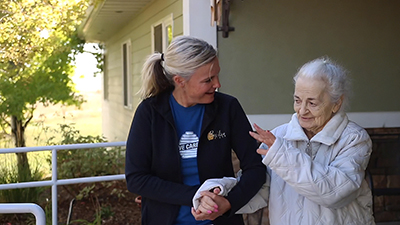
Small home assisted living typically fits seniors who gain from a peaceful, foreseeable environment with staff who understand them effectively. Big facilities often match those who want more range, social opportunities, and on website services. The balance shifts again if your parent needs sophisticated memory care or will utilize respite care regularly.
Once you are clear on requirements, the concerns you ask suppliers become sharper and harder to gloss over.
Safety and medical oversight: who truly notifications change?
Safety is non flexible, yet many households focus only on apparent products like grab bars and call buttons. The deeper concern is whether staff notice subtle modifications early and act upon them.
In little homes, caregivers usually see every resident lot of times a day in close quarters. A caregiver who assists your mother gown and eat every morning will often be the first to see that she is more baffled, short of breath, or preferring one leg. The benefit is intimacy. The threat is that if that single caregiver is inexperienced or overloaded, there may be no 2nd line of observation.
In big centers, there are more layers: caretakers, med techs, nurses, managers. This can improve medical oversight, particularly for intricate medication programs or persistent conditions. Nevertheless, the individual who sees your parent frequently might be the least qualified and the most time constrained, and communication between layers can be inconsistent.
Key concerns to check out, with an ear for specific examples instead of basic peace of minds:
How lots of locals is each direct caretaker responsible for on a typical day shift and a typical night shift? Ratios differ extensively. In small homes, 1 caregiver for 4-- 8 citizens prevails. In large assisted living, 1 for 10-- 20 citizens on days and 1 for 15-- 30 at night is not uncommon. You are looking for numbers and context, not unclear expressions like "We staff to skill."
What accredited physician are offered, and when? Some big facilities have a nurse on site 7 days weekly and even around the clock. Others have a nurse only during business hours or on call by phone. Many little homes depend on visiting nurses or home health companies rather than in home clinicians. That can work well if relationships are strong and action times are clear.
How are falls, infections, or considerable behavior modifications handled in practice? Request for an example from the previous few months. A provider who can calmly stroll you through a real circumstance, step by step, probably has a functioning system. If responses sound scripted or incredibly elusive, trust your discomfort.
For memory care in specific, probe how they handle roaming, exit seeking, and nighttime wakefulness. Huge centers might depend on locked units and door alarms. Small homes might combine alarms with constant staff proximity and ecological hints. You want more than "We keep them safe." You want to comprehend precisely what keeps a specific individual safe at 2 a.m.
Staffing: turnover, training, and culture
The heart of any senior care setting is its staff. Buildings do not comfort scared elders in the evening. Individuals do.
Turnover is a quiet predictor of care quality. High turnover destabilizes routines, wears down trust, and increases the chances that important information about a resident will fall through the cracks.
In small home assisted living, a stable group can create a household like environment where each caregiver knows years of your parent's history. On the other hand, if a small team experiences turnover or health problem, schedule gaps can be harder to cover.
In big facilities, there is generally a larger labor pool and more official training programs. This can be helpful for specialized requirements such as diabetes management, mechanical lifts, or sophisticated dementia habits. But large operations sometimes deal with caretakers as interchangeable, which can result in burnout and a revolving door of brand-new faces.
Questions that tend to expose the staffing truth more plainly:
How long have your core caretakers and managers worked here? Request varieties. If numerous are under six months, check out why.
What dementia specific or elderly care training do frontline staff get, and how frequently is it renewed? Search for concrete subjects: communication strategies, de escalation methods, safe transfers, acknowledging delirium, end of life comfort. A place that mentions particular modules and ongoing refreshers is typically more severe about quality.
Who covers shifts when somebody calls out? In a strong organization, you will become aware of float staff, backup pools, or a clear plan. In a weaker one, you might hear "All of us pitch in" without detail, which often suggests understaffed shifts.
For respite care, staffing questions matter a lot more. Short-term stays can be disruptive, and staff who are already extended are less likely to invest the time to learn more about a short stay resident deeply. beehivehomes.com senior care Ask whether respite residents are assigned constant caregivers or scattered amongst whoever is available.
Culture is harder to determine, but you can notice it throughout trips. View how personnel talk to present citizens. Do they welcome them by name, touch a shoulder, kneel to eye level? Or do they discuss them to member of the family and rush through interactions? That tone will be your parent's daily life.
Daily life: routines, stimulation, and autonomy
Once fundamental security is ensured, the next layer is lifestyle. Assisted living is meant to support as much independence and satisfaction as possible, not to just warehouse seniors till a higher level of care is needed.
Small home assisted living tends to supply a quieter, more versatile day-to-day rhythm. Meals may be cooked in a home cooking area, with citizens smelling food and sometimes aiding with simple jobs. Activities might be informal: folding laundry together, tending plants, seeing a favorite show in the exact same armchair every afternoon.
This fits residents who are easily overwhelmed or who choose familiar, low crucial days. It likewise typically works much better for certain phases of memory care, when big group activities and constant statements can puzzle or agitate.

Large facilities generally use a structured calendar: workout classes, art sessions, live music, religious services, trips on a van. Locals can select from more choices, however just if they are physically and cognitively able to take part and if staff really escort them.
A crucial concern here: How do you include residents who do not concern group activities by themselves? Many neighborhoods list lots of activities, however the exact same ten homeowners appear for everything while more frail or introverted homeowners spend most of their time alone. Well run programs have specific methods for room visits, little groups, and one to one engagement.
Ask likewise about awaken and bedtime flexibility. In a small home, it might be much easier to accommodate a lifelong night owl or an extremely early bird. In a big facility, staffing patterns and dining hours in some cases press everyone toward the very same timetable. For someone with dementia or Parkinson's illness, forced schedule modifications can be destabilizing.
For both models, check out meal routines in information. Exist alternatives if a resident does not like the primary entrée? How is poor cravings attended to? In little homes, caretakers might have more time to sit and motivate, cut food, or deal frequent little snacks. In larger settings, you might see more standardized dining however likewise access to dietitian support.
Autonomy matters too. Look at how residents' spaces are personalized. Are doors open and welcoming, or closed and confidential? Ask whether citizens can decorate, generate preferred furniture, and keep a small refrigerator or animal, if relevant.
Memory care provides a particular obstacle. Homeowners require structure, however they also need to feel they are still living a life, not passing time in a locked system. Whether in a small home or large facility, ask to see how personnel deal with repetitive questions, refusals to bathe, or distress during sundowning hours. The tone of their stories will tell you how your loved one will be treated on their hardest days.
Family involvement and communication
Families often undervalue how much continuous communication they will require. Even in assisted living, locals' health and functional status can shift within weeks. Good centers treat households as partners, not as going to outsiders.
Small homes usually make it much easier to reach somebody who truly understands your parent. You might text or call the owner, manager, or lead caretaker straight and get an instant answer about how breakfast went or whether Mom took her new medication. The flipside is that official care conferences might be less frequent, and paperwork can be less polished.
Large centers often schedule regular care plan conferences with nurses, social employees, and department heads. You may receive printed summaries or portal access to some info. These systems assist when numerous siblings are involved or when medical intricacy is high. Nevertheless, you can likewise come across phone trees, voicemail loops, and the feeling that "everybody" is in charge and nobody is accountable.
Questions that tend to clarify expectations:
How do you keep families updated about modifications, both immediate and routine? Listen for specific techniques: weekly calls, regular monthly emails, electronic portals, arranged conferences, or ad hoc texts.
Who is my single best point of contact for daily concerns? Insist on one name with real authority. In a little home, it might be the owner or administrator. In a large center, it might be the nurse supervisor, resident care director, or a designated household liaison.
Are households invite to drop in unannounced, sign up with for meals, or participate in activities? Policies vary. Greater openness is not always a guarantee of quality, however restrictive visitation methods ought to prompt much deeper questioning.

For respite care users, interaction before and after each stay is vital. Ask how staff collect info about routines, worries, and health needs before admission, and how they report back afterward about any modifications seen during the stay.
Financial transparency and what care "really" includes
Senior care expenses collect over years. A slightly greater monthly charge that genuinely includes essential care can be cheaper than a lower fee that continuously adds surcharges.
Small homes frequently have simpler rates: a base rate that consists of most day-to-day support and possibly a separate cost for incontinence materials or extremely intensive one to one care. They may have more versatility to work out around distinct circumstances.
Large centers normally have actually tiered care levels or point systems. The marketed "beginning at" rate typically reflects very little assistance. When bathing help, medication management, escorting to meals, and nighttime checks are included, the real expense can double. Memory care units almost always carry a separate premium.
Questions worth asking in information, with a demand to see real sample billings:
What services are included in the base assisted living or memory care rate, and what sets off service charges? Push for clarity around bathing frequency, incontinence care, transfers, escorts, and medication administration.
How often are care levels reassessed, and who makes that choice? If evaluations cause higher charges, you desire openness and the ability to appeal or a minimum of talk about the change.
What occurs if my parent's needs increase considerably? For example, if they later on require two person transfers, regular oxygen, or complete feeding support. Can those needs be satisfied here, at what expense, and for how long?
For respite care, ask whether there are minimum stay requirements, higher daily rates than for long term citizens, and extra fees for evaluations or medication set up.
Also check out monetary stability. Little homes can be vulnerable to unexpected closure if an owner retires or has a hard time economically, while large chains may offer or rebrand properties with little caution. Neither scenario is inherently risky, but you are worthy of clear answers about what happens if ownership changes.
Special factors to consider for memory care
The choice in between a little home and a big facility ends up being more complicated when someone has dementia.
Many families initially lean towards memory care systems in large neighborhoods because they appear specialized. That can be the right option for somebody with serious wandering, aggressiveness, or very intricate medical needs. Bigger settings can offer guaranteed outdoor areas, sensor technology, and specialized habits support.
Yet many individuals with moderate dementia do much better in a small, calm space with familiar faces. The sound and rate of a 50 bed memory care system can be overwhelming. In little home memory care, personnel typically have more time to engage residents in the rhythm of home jobs, which feels more natural and less infantilizing.
Key concerns to press in both settings:
How do you customize activities and regimens to various stages of dementia? If the response focuses just on group video games and singalongs, ask more. You want to hear about sensory activities, quiet areas, strolling opportunities, and adaptation when someone can no longer follow complex instructions.
What particular training has your team had in dementia interaction and habits assistance? Search for concrete techniques: recognition, redirection, non pharmacologic relaxing strategies, pain evaluation in non spoken citizens. Medication fits, but need to not be the only tool mentioned.
How do you deal with traumatic habits without resorting to constant sedation or repeated emergency clinic visits? Real experience here matters. A thoughtful supplier will explain de escalation methods, environmental adjustments, and close collaboration with physicians.
In small homes, likewise ask how they safely handle exit looking for in a building that might appear like a routine home. In big facilities, ask how they avoid homeowners from feeling sent to prison in locked units.
Respite care as a trial run and safety valve
Respite care is short term residential care, often utilized when a household caregiver requires surgery, a break, or a journey, or when they want to "evaluate" a setting before committing to an irreversible move.
Both little home assisted living and big centers may provide respite care, however the experience can be really different.
In small homes, respite locals generally join the typical home routine. Continuity is simpler, but availability can be restricted and brief notice remains harder to arrange. Families frequently report that their loved one is woven into life rapidly, particularly if staff are stable.
In big facilities, respite care may be more transactional. Some communities keep designated respite spaces. Others just accept respite stays when an apartment or condo is vacant. Staff may see respite locals as short-term and for that reason invest less in deep getting to know you work, though this varies widely.
To gauge whether respite will actually support both the elder and the caregiver, ask:
How do you prepare staff for a brand-new respite resident? Do you use a structured consumption tool that covers history, worries, practices, activates, and soothing methods, especially for those requiring memory care?
Will my parent have the same space if they return for several stays, and can we customize it even for brief stays?
If respite care shifts into long term assisted living, how is the move managed economically and mentally? Is there credit for previous stays, or a structured assessment?
Respite can likewise be a valuable method to experience a neighborhood from the within before a permanent move. Focus not just to your parent's report, however to small information: do clothing come back clean, are glasses and hearing aids looked after, exist unusual contusions or weight changes?
A focused checklist of questions to ask during tours
Families typically leave tours with shiny folders however couple of concrete answers. Bringing a short, targeted list can anchor the conversation.
Use this 2nd and final list as a guide, customizing it to your situation:
- What is your common caretaker to resident ratio by day and by night, and for how long have most caretakers worked here? How do you react when a resident's condition changes unexpectedly, and who calls the family? How flexible are wake, meal, and bedtime routines if my parent has strong preferences or dementia associated sleep changes? What specific services are consisted of in the monthly fee, what costs extra, and how typically do charges or care levels change? If my parent needs more advanced care later on, can they remain here, and how would that transition be managed?
Ask these questions separately of different staff if possible, not just the marketing agent. Consistency in answers is typically a better indication than any single claim.
Balancing head and heart
Choosing between a little home assisted living setting and a large facility is seldom a purely sensible decision. Families bring regret, grief, fear, and in some cases old household characteristics to the table. Suppliers bring their own restrictions: staffing shortages, guidelines, corporate policies, and financial pressures.
The objective is not to discover excellence. The objective is to discover a place where your loved one's specific requirements and personality align with the structure, staffing, and culture of the setting, and where you as a household can stay involved without burning out.
Visit more than as soon as, at various times of day. Stay peaceful and observe. How do locals look between activities, not simply during them? How do staff react to a confused concern or a spilled beverage? How does the air feel at 6 p.m. On a Sunday, when less supervisors are present?
Whether you ultimately choose a little, intimate home or a bigger assisted living or memory care community, the concerns you ask and the details you observe will shape the experience far more than any marketing label. Senior care can be humane, considerate, and even joyful when the setting fits the person. Your task is to advocate, probe, and then keep revealing up.
BeeHive Homes of Helena provides assisted living care
BeeHive Homes of Helena provides memory care services
BeeHive Homes of Helena provides respite care services
BeeHive Homes of Helena supports assistance with bathing and grooming
BeeHive Homes of Helena offers private bedrooms with private bathrooms
BeeHive Homes of Helena provides medication monitoring and documentation
BeeHive Homes of Helena serves dietitian-approved meals
BeeHive Homes of Helena provides housekeeping services
BeeHive Homes of Helena provides laundry services
BeeHive Homes of Helena offers community dining and social engagement activities
BeeHive Homes of Helena features life enrichment activities
BeeHive Homes of Helena supports personal care assistance during meals and daily routines
BeeHive Homes of Helena promotes frequent physical and mental exercise opportunities
BeeHive Homes of Helena provides a home-like residential environment
BeeHive Homes of Helena creates customized care plans as residents’ needs change
BeeHive Homes of Helena assesses individual resident care needs
BeeHive Homes of Helena accepts private pay and long-term care insurance
BeeHive Homes of Helena assists qualified veterans with Aid and Attendance benefits
BeeHive Homes of Helena encourages meaningful resident-to-staff relationships
BeeHive Homes of Helena delivers compassionate, attentive senior care focused on dignity and comfort
BeeHive Homes of Helena has a phone number of (406) 457-0092
BeeHive Homes of Helena has an address of 9 Bumblebee Ct, Helena, MT 59601
BeeHive Homes of Helena has a website https://beehivehomes.com/locations/helena/
BeeHive Homes of Helena has Google Maps listing https://maps.app.goo.gl/YUw7QR1bhH7uBXRh7
BeeHive Homes of Helena has Facebook page https://www.facebook.com/beehivehelena/
BeeHive Homes of Helena has an YouTube page https://www.youtube.com/user/BeeHiveCare
BeeHive Homes of Helena won Top Assisted Living Homes 2025
BeeHive Homes of Helena earned Best Customer Service Award 2024
BeeHive Homes of Helena placed 1st for Senior Living Communities 2025
People Also Ask about BeeHive Homes of Helena
What is BeeHive Homes of Helena Living monthly room rate?
The rate depends on the level of care that is needed. We do an initial evaluation for each potential resident to determine the level of care needed. The monthly rate is based on this evaluation. There are no hidden costs or fees
Can residents stay in BeeHive Homes until the end of their life?
Usually yes. There are exceptions, such as when there are safety issues with the resident, or they need 24 hour skilled nursing services
Do we have a nurse on staff?
No, but each BeeHive Home has a consulting Nurse available 24 – 7. if nursing services are needed, a doctor can order home health to come into the home
What are BeeHive Homes’ visiting hours?
Visiting hours are adjusted to accommodate the families and the resident’s needs… just not too early or too late
Do we have couple’s rooms available?
Yes, each home has rooms designed to accommodate couples. Please ask about the availability of these rooms
Where is BeeHive Homes of Helena located?
BeeHive Homes of Helena is conveniently located at 9 Bumblebee Ct, Helena, MT 59601. You can easily find directions on Google Maps or call at (406) 457-0092 Monday through Sunday Open 24 hours
How can I contact BeeHive Homes of Helena?
You can contact BeeHive Homes of Helena by phone at: (406) 457-0092, visit their website at https://beehivehomes.com/locations/helena/, or connect on social media via Facebook or YouTube
Take a drive to the Silver Star Steak Company . The Silver Star Steak Company provides classic comfort food that residents in assisted living or memory care can enjoy during senior care and respite care outings.